Swimming Life
Swimming Life
Swimming as a lifelong habit: fitness sessions, masters swimming for adults, choosing kit, pool costs and how to keep a weekly swim going for years.
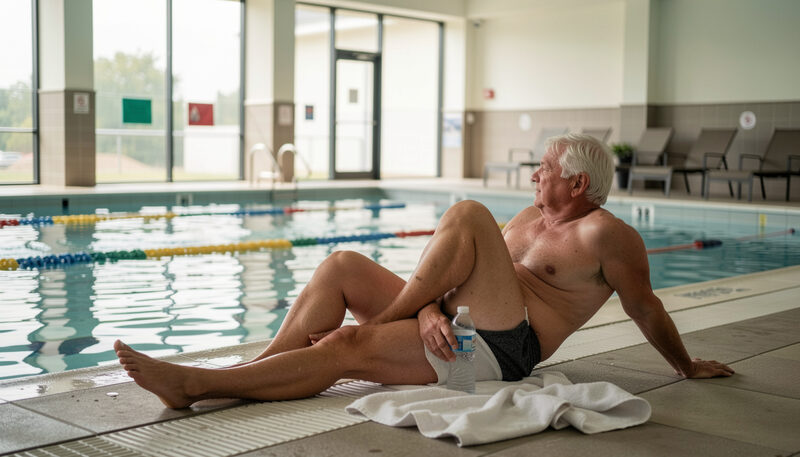
Swimming is one of the few sports that can be started in childhood and continued into old age. It is gentle on the joints, it can be done alone or in company, and it needs almost no equipment. This section is about the long game: swimming for fitness, masters swimming for adults, choosing kit that lasts, and the small habits that keep a weekly swim going for years rather than weeks.
Swimming for fitness
Swimming works the whole body and raises the heart rate without the pounding that running can bring. For fitness, the mistake most people make is to swim a steady distance at the same easy pace and never change it. A better approach is to vary the session, mixing easier lengths with harder efforts and short rests. The structure that works for most people is set out in the guide to swimming for fitness.
Technique matters more than distance. A swimmer with an efficient stroke covers more ground for the same effort, and swims for longer without tiring. This is why even experienced swimmers benefit from occasional coaching.
Masters swimming
Masters swimming is the adult branch of the sport, open to anyone over the usual junior age. It ranges from informal adult squads that train once a week to competitive groups that swim at galas and championships. It is a home for people who swam as children and want it back, and for people who learned as adults and want to go further. The full picture is in the guide to masters swimming.
Choosing kit
Swimming kit is simple, but a few choices last far longer than others. A well fitting costume or trunks, a decent pair of goggles and a swimming hat cover most needs. For regular swimmers, a second pair of goggles and a spare towel are worth keeping in the bag. For open water, a wetsuit, a bright hat and a tow float are the additions that matter. Buy goggles by fit rather than price, and replace them when they start to leak, because a fogged or leaking pair ruins a session.
The cost of a swimming life
Swimming is cheaper than most sports, but the costs add up over a year. Public sessions are paid per visit or through a membership, and lessons and club fees are usually paid monthly or in blocks. For a family with two children in a club, the annual cost is real, though it is usually far less than the cost of many other activities. Concessions and memberships often reduce it, and club fees usually include pool hire, coaching and competition entry.
Keeping the habit
The swimmers who stay in the water for decades share a few habits. They swim at a regular time, so it becomes part of the week. They swim with other people, at least sometimes, because company carries you through the days you would rather not go. They keep their kit ready, so that going is easy. And they accept that some sessions will be poor, because a bad swim is still a swim.
For anyone who has stopped and wants to start again, the advice is to begin short and easy, and to rebuild technique before fitness. A few lessons after a long break are money well spent.
Where this fits
The fitness and masters side of swimming sits on top of the same foundations as everything else: learning to swim, described in the learn to swim section, and the pools of Fife, listed in the guide to pools in Fife. Adults who want the open water version should read sea swimming in the Forth and open water safety first. The national governing body publishes adult and masters information at swimming.org.
Swimming at every age
Swimming adapts to the swimmer better than almost any other sport. A child learning to float, a teenager training for a gala, a parent swimming for fitness and a grandparent doing gentle lengths in warm water are all doing the same thing, at different points on the same curve. That continuity is why swimming is worth investing in early: the skill never leaves you, even when the fitness does.
For older swimmers, the advantages are real. The water supports the joints, so swimming can continue when running or racket sports become uncomfortable. Many pools run gentle sessions aimed at older swimmers, and the social side of a regular swim is as valuable as the exercise.
Finding your pool and your people
The biggest predictor of whether someone keeps swimming is not talent or time; it is whether they found a pool and a group that fit. A pool five minutes away beats a better pool half an hour away, because the swim that happens is the swim that counts. A group, whether a masters squad, a sea swimming club or simply a friend who swims at the same time, carries a swimmer through the weeks when motivation dips.
So the practical advice for anyone starting or restarting is simple: pick the nearest decent pool, find a regular slot, and if possible find someone to swim it with. The rest, fitness, technique and speed, follows from showing up. The practical detail on pools is in the guide to pools in Fife.
The social side
Swimming is often described as a solitary sport, and for a lane swimmer it can be. But the club and open water sides of it are deeply social. Masters squads, sea swimming groups and club galas all create a community around the water, and for many adults that community is the reason they keep going. A swim that is also a meeting with friends is a swim that survives a busy week.
Swimming Life
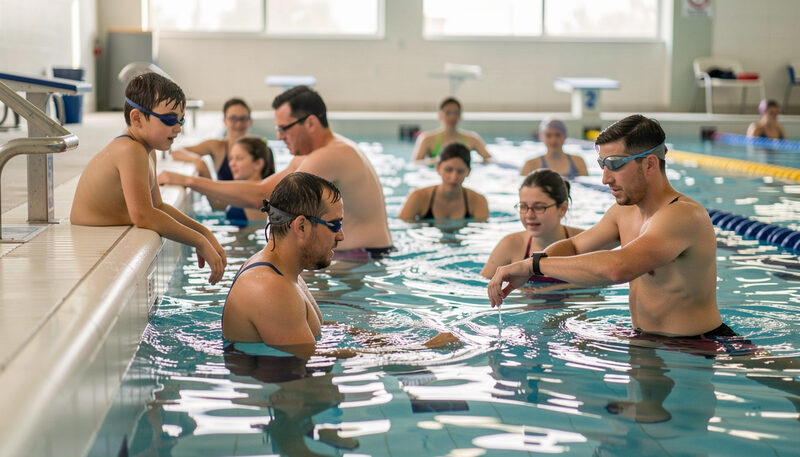
Masters Swimming
What masters swimming is, who it suits, how adult squads train, what masters galas involve and how to return to swimming after years away from a pool.
Adult squads and returning to the water.
Swimming Life
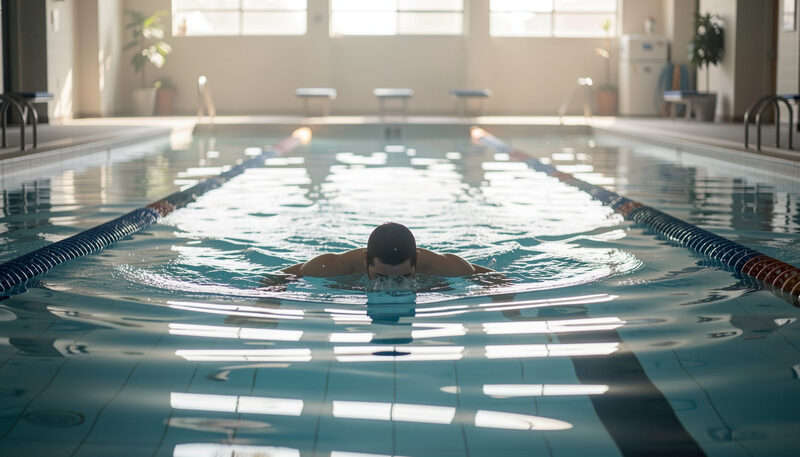
Swimming for Fitness
Build a weekly swimming habit: session structure, intervals, pacing, how many lengths to aim for, and why technique beats distance for fitness gains.
Structure beats distance every time.