Pools and Open Water
Pools in Fife
A practical guide to Fife swimming pools: where they are, what sessions they run, how to reach them by bus, train or car, and what to bring for a swim.
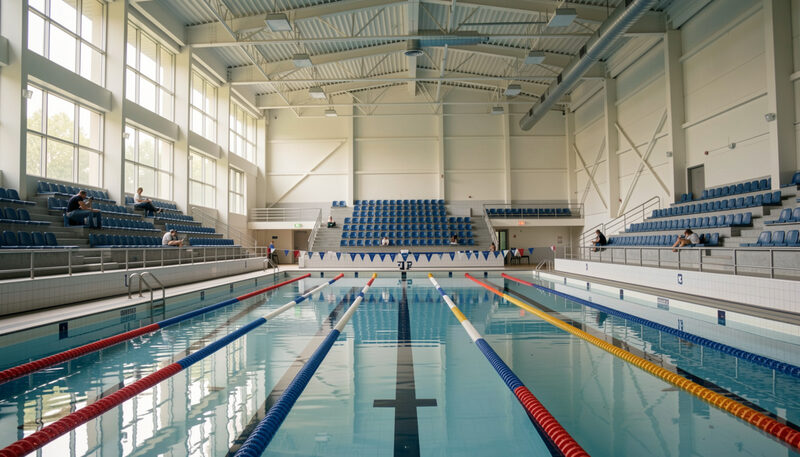
Fife is a long county with a scattered population, and its swimming pools are spread across it. For a family choosing where to swim, or for a visitor wondering what is nearby, the practical questions are simple: which pools exist, what sessions they run, and how to get there without a car. This guide answers those questions in general terms, with the local detail that matters most.
Who runs the pools
Most public swimming pools in Fife are operated by the regional leisure trust, which manages sports centres on behalf of the council. That means a common membership scheme, a common booking system and a common timetable across the main sites. Smaller pools, hotel pools and school pools also exist, but the trust sites are where public swimming, lessons and club training mostly happen.
Because the trust runs the buildings, session times and prices change with the season and the school term. The reliable approach is to check the trust's website or call the centre before travelling, especially in the school holidays when timetables change.
The main pools
The largest and best equipped pools in Fife include the Michael Woods Sports and Leisure Centre in Glenrothes, which has a 25 metre competition pool with eight lanes and electronic timing, and the Beacon Leisure Centre in Burntisland, which serves the town and the surrounding coast. Other towns across the region, from Dunfermline and Kirkcaldy to Levenmouth and St Andrews, have their own centres with public pools.
For competitive swimmers, the eight lane, 25 metre pool at Glenrothes is the kind of facility that hosts licensed galas, with anti wave lane ropes, a scoreboard and spectator seating. For learners and families, the smaller local pools are often easier to use, quieter and closer to home.
Sessions and how to read a timetable
A pool timetable is a patchwork of different sessions. Public swimming is open to anyone and often includes family time. Lane swimming is for people swimming lengths, usually with lanes divided by speed. Lessons and club sessions are booked out and closed to the public. Aqua fitness classes, adults only sessions and quiet sessions also appear.
If you are swimming for fitness, lane swimming is what you want. If you are bringing children, look for family sessions, which often run at weekends and in the holidays. If you are learning, a lesson programme will have its own booking process, separate from public swimming.
Getting there without a car
Fife is served by a rail line along the coast and by a network of buses, so most of the larger pools can be reached by public transport. Burntisland, Kirkcaldy, Glenrothes and Dunfermline all have rail or bus links, and the centres are usually a short walk from a stop. For pools in smaller towns, the bus is often the only option, and it is worth checking the last service before an evening swim.
Travel matters more than people expect. A swim that takes an hour to reach is a swim that happens once; a swim that takes fifteen minutes becomes a habit. Choosing the nearest decent pool is usually better than choosing the best pool far away.
What to bring
A basic swim kit is small: a swimming costume, a towel, goggles, and a bag to carry them. Goggles are worth buying properly, because a cheap pair that leaks will spoil a session. A swimming hat keeps hair out of the face and is required in some pools. For children, armbands or a float may be needed, and many pools provide equipment for lessons.
Most centres have lockers, changing rooms and showers, and many have a cafe. It is worth bringing a padlock for lockers, a water bottle, and a pound coin or a card for parking where charges apply. A spare towel for the car is a small kindness after a winter swim.
Booking and costs
Public swimming is usually paid for per session, or through a membership that covers all the trust's centres. Lessons are booked in blocks and paid for in advance, and they fill quickly, so it is worth joining a waiting list early. Concessions often exist for children, students, older people and families. Club sessions are paid for through the club, usually by monthly fee.
The full picture of how a swimming week fits together, including the cost of lessons and clubs, is in the swimming life section. If you are choosing a pool for lessons, the teaching side is covered in the learn to swim section, and the competition facilities that host galas are described in clubs and competition. The trust publishes its centres and timetables at fifeleisure.org.uk.
Swimming with children
Family swimming is a different proposition from lane swimming, and the best sessions are designed for it. Family sessions usually run at weekends and in school holidays, with warmer water, shallower areas and more space. They are noisier and busier than a lane session, which is part of the point. For a child learning to swim, a relaxed family session is where the lesson is put into practice.
It helps to arrive early, to keep the visit short, and to finish while everyone is still enjoying it. A twenty minute swim that ends happily is worth more than an hour that ends in tears.
Quiet sessions and accessibility
Many pools run quiet or adults only sessions, and some offer dedicated times for swimmers who need a calmer environment. If a member of your family finds busy pools difficult, it is worth asking what the centre offers, because the answer is often more than the public timetable suggests. Lifts, hoists and accessible changing are also worth checking in advance rather than on arrival.