Clubs and Competition
Clubs and Competition
How Scottish swimming clubs work: sessions, squads, the coaching pathway, licensed galas, times and what competition adds to a young swimmer's week.
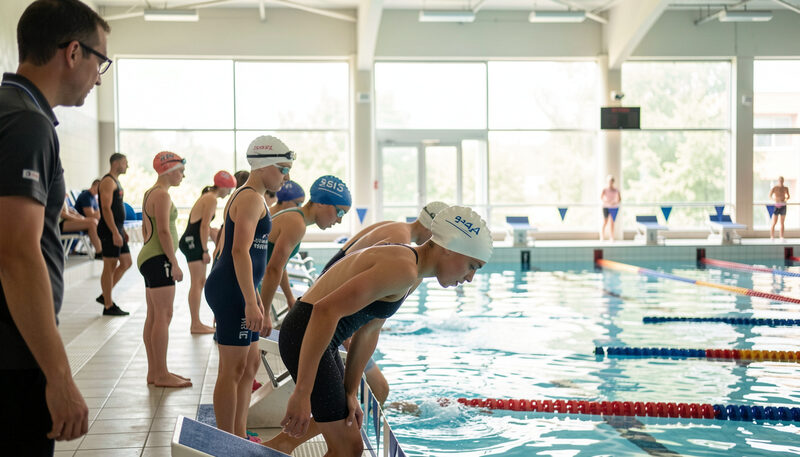
Club swimming is where a learn to swim journey turns into a sport. In Scotland, that world is organised through clubs affiliated to the national governing body, with a pathway that runs from a first teaching group through to district and national squads. This section explains how that system works, what a gala day actually looks like, and how to read the times that come out of it, so that parents and swimmers can follow what is happening and why.
What a swimming club is for
A swimming club is not the same thing as a public pool. The pool is the building; the club is the group of swimmers, coaches and volunteers who use it. A club provides structured sessions, coaching, and a route into competition. Most clubs in Fife and the east of Scotland have several squads, each with its own training pattern, and they rely heavily on parents to run galas, keep time and organise entries.
Joining a club usually follows a period of lessons, when a swimmer can already swim a short distance unaided and is safe in the water. From there, the club takes over the technical work, and the swimmer begins to train rather than simply learn.
Sessions, squads and what changes
The first club group is often a teaching or development group, swimming once or twice a week with a strong technical focus. As a swimmer improves, they move into squads that train more often, for longer, and with more attention to fitness and race skills such as starts, turns and finishes. The top squads in a club may train several times a week, sometimes with land training alongside pool work.
The move between squads is based on ability and commitment, not age, and the details vary from club to club. The general shape of the pathway is described in the club pathway.
Competition: the point of all the training
Swimmers compete at galas, also called meets. Some are small and friendly, run by a club for its own swimmers and neighbours. Others are licensed by the governing body, run to strict rules, and produce official times that can be used for entry to larger events. A first gala can be bewildering for a family, so the practical walk through a gala day is set out separately in how a swimming gala works.
Competition is not compulsory, and plenty of swimmers train without racing. But for those who do race, it gives the training a purpose and provides a clear, objective record of progress over the years.
Times, PBs and qualifying times
Everything in competitive swimming is measured in times. A swimmer's personal best, or PB, is their fastest recorded swim in an event. Qualifying times are the standards set by a meet or a district that a swimmer must beat to enter. Learning to read these numbers, and to understand why the same swimmer has different times in different pools, is a skill in itself, explained in reading swim times.
Volunteers run the sport
Almost every club gala is staffed by parents who have trained as timekeepers, judges or officials. Without them, there is no competition. A family that joins a club should expect to help, whether that is timing on poolside, selling raffle tickets or driving to an away gala. It is part of the deal, and it is also how the swimming community works.
How club swimming starts
Most swimmers arrive from a learn to swim programme, which is why the two sections sit together. The foundations of floating, gliding and breathing are built in lessons, described in the learn to swim section, and the club then develops them into racing skills. For adults, the same club world offers masters swimming, covered in the guide to masters swimming.
Where the pools are
Clubs train in public pools, so the geography of Fife matters. The main pools and how to reach them are gathered in the guide to pools in Fife. The national governing body publishes the competition calendar, the rules and the club finder at scottishswimming.com.
What club swimming asks of a family
Joining a club is a bigger commitment than joining a class. Sessions happen at fixed times, often early in the morning or in the evening, and they happen several times a week as a swimmer moves up. That means lifts, kit, and a family routine built around the pool. For many households it is a genuine logistical effort, and it is worth being honest about it before a swimmer joins the top squad.
In return, club swimming gives a young person a structured, healthy activity, a group of friends, and a set of habits, punctuality, effort, handling setbacks, that carry well beyond the pool. Those are the reasons families stay with it.
How to choose a club
There is usually more than one club within reach, and they differ in size, focus and culture. Some are large and highly competitive, with several performance squads. Others are smaller and more relaxed, with a strong teaching element. Neither is better in the abstract; the right club is the one that matches the swimmer and the family.
It is worth visiting, watching a session, and asking about squad sizes, coach qualifications, fees, and how much competition is expected. A club that answers those questions openly is usually a well run one. The pathway those squads follow is set out in the club pathway.
Clubs and Competition
How a Swimming Gala Works
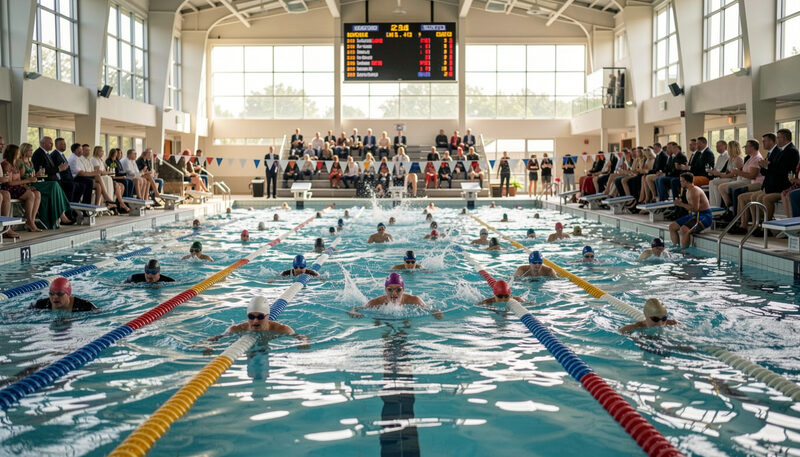
What happens at a swimming gala: warm ups, heats and finals, timing, disqualifications, entries and the jobs parents and swimmers take on poolside.
A gala day, from entries to results.
Clubs and Competition
The Club Pathway in Scotland
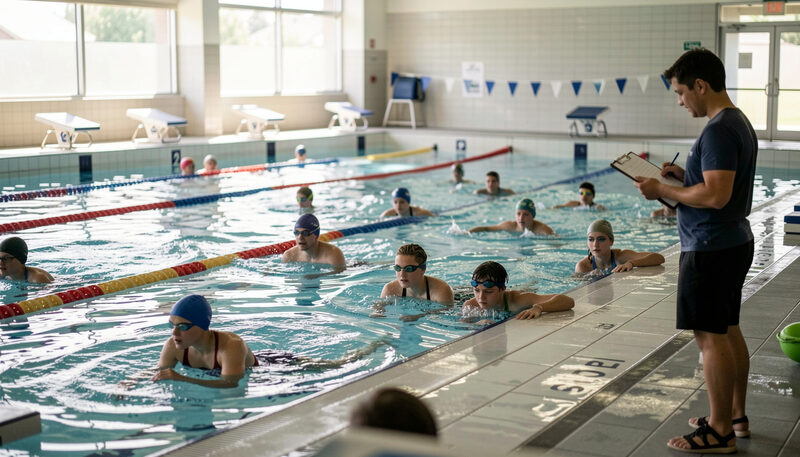
From learn to swim to district squads: how the Scottish club pathway works, what each squad trains for, and how swimmers move up through the levels.
How a swimmer moves up the levels.
Clubs and Competition
Reading Swim Times
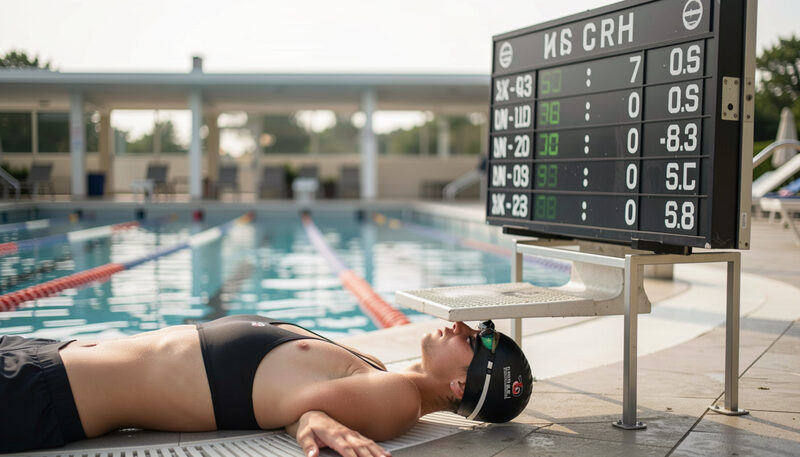
How swimming times work: short and long course, splits, personal bests, qualifying times and the difference between a recorded and an unofficial time.
Short course, long course, splits and PBs.